


Understanding the Importance of Strategy
In the world of poker and other casino games, strategy is not just an afterthought; it is the very foundation upon which success is built. Unlike games of chance, where luck plays a predominant role, poker requires a deep understanding of both the mathematical and psychological elements at play. A well-thought-out strategy allows players to make calculated decisions that can significantly increase their odds of winning, especially when they explore options like online payid pokies . By employing strategic planning, players can manipulate their opponents’ perceptions and responses, turning the game into a battle of wits.
The importance of strategy in poker cannot be overstated. Players who neglect the strategic aspect often find themselves on the losing end, as impulsive decisions can lead to significant losses. For instance, understanding when to bet aggressively or fold can make all the difference during a match. A sound strategy enables players to analyze their opponents’ tendencies and adjust their gameplay accordingly. This adaptability is key in navigating the complexities of poker, where every hand presents a new challenge.
Moreover, a well-defined strategy helps in managing bankroll effectively. Players who implement a strategic approach are more likely to avoid unnecessary losses and maximize their winning potential. By setting limits and adhering to a specific game plan, players can remain disciplined and focused, preventing emotional decisions that often lead to costly mistakes. Ultimately, mastering the strategic components of poker is essential for anyone serious about achieving long-term success in the game.
Key Strategic Elements to Consider
Several strategic elements influence the way poker is played, and understanding these nuances can elevate a player’s game. First, positional awareness is critical. In poker, your position at the table can heavily influence your strategy. Being in a later position allows players to observe others’ actions before making their own decisions, which can be a considerable advantage. This awareness leads to more informed betting strategies, as players can exploit the information gained from earlier actions.
Second, understanding hand ranges is essential for developing a strong strategy. Instead of focusing solely on the strength of one’s own hand, successful players often consider the potential hands their opponents could hold. This broader perspective enables them to make more informed decisions in betting, raising, or folding. Knowing when to widen or tighten one’s hand range based on the table dynamics is a skill that distinguishes novice players from seasoned professionals.
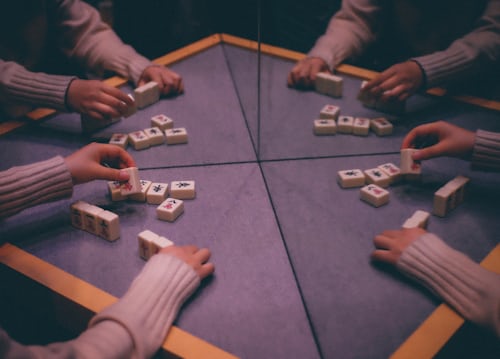
Lastly, bluffing is an integral part of poker strategy when employed correctly. While some may view bluffing as a risky maneuver, it can be an effective tactic when executed with precision. Successful bluffs rely on a solid understanding of opponents’ behaviors and betting patterns. Recognizing when to bluff and when to lay low is a pivotal skill that requires practice and observation, making it a fundamental aspect of a winning strategy in poker.
Psychological Aspects of Poker Strategy
The psychological elements of poker strategy are just as crucial as the tactical ones. Understanding the mental game can provide players with a competitive edge. Reading opponents and gauging their emotional states can help players determine when to push their advantage. Recognizing signs of frustration or overconfidence in an opponent can inform a player’s decisions, allowing for strategic plays that capitalize on emotional weaknesses.
Additionally, managing one’s own emotions is vital for success in poker. The game can be incredibly stressful, and players must maintain composure during high-stakes situations. A well-rounded strategy includes techniques for handling emotions, such as practicing mindfulness or taking breaks when feeling overwhelmed. Staying calm enables players to make rational decisions rather than succumbing to the pressure of the moment.
The concept of “table image” also plays a significant role in poker strategy. Players need to be aware of how they are perceived by others at the table. Establishing a particular image—whether it’s tight and conservative or loose and aggressive—can influence opponents’ actions significantly. Manipulating this perception can lead to strategic advantages, such as successful bluffs or uncontested pots. Understanding the psychological dynamics at play is essential for any player aiming for success in poker.
Adapting Your Strategy to Different Formats
Poker is played in various formats, including cash games, tournaments, and sit-and-gos, each requiring distinct strategic approaches. In cash games, where players can buy in for real money and leave when they choose, the emphasis is often on preserving one’s stack and making calculated bets. In this format, a more conservative strategy may be beneficial, focusing on selective aggression rather than all-out gambling.

Tournaments, on the other hand, require players to adapt their strategy to the changing dynamics as blinds increase and stacks fluctuate. Early in the tournament, a tight approach may be more effective, while later stages often necessitate more aggressive tactics as players vie for the chip lead. Understanding the nuances of tournament play is crucial, as players must adjust their strategies based on their position relative to blind levels and other participants.
Sit-and-go tournaments, which offer a more accelerated experience, require players to be flexible and ready to shift gears at a moment’s notice. In these formats, a quick understanding of opponents’ styles and adjusting one’s strategy accordingly can lead to swift victories. Players who can adapt their strategies to match the specific requirements of different formats will find greater success in their poker endeavors.
Finding Resources and Communities Online
For those keen on enhancing their poker skills, the internet offers an abundance of resources and communities dedicated to the strategic aspects of the game. Online forums, instructional videos, and coaching services are excellent starting points for players seeking to refine their strategy. Engaging with other players and discussing strategies can provide fresh insights and broaden one’s understanding of various gameplay techniques, enhancing the overall poker experience.
Additionally, participating in online poker rooms can offer practical experience and the opportunity to apply learned strategies in real-time. Many platforms allow players to join games at various skill levels, providing a more comfortable environment for experimentation. This hands-on experience complements theoretical knowledge and helps players discover what strategies work best for them.
Online platforms also host competitive events and tournaments where players can test their skills against others. Engaging in such competitions not only provides valuable experience but also fosters connections within the poker community. By utilizing these resources and immersing themselves in strategic discussions, aspiring players can accelerate their growth in poker and significantly improve their chances of success.
